property
Milwaukee Housing Prices Are Up Again, But This Isn't 2021
Five years after the pandemic buying frenzy reshaped Milwaukee's neighborhoods, a new surge is testing whether the market has learned anything from the last one.
How we reported this
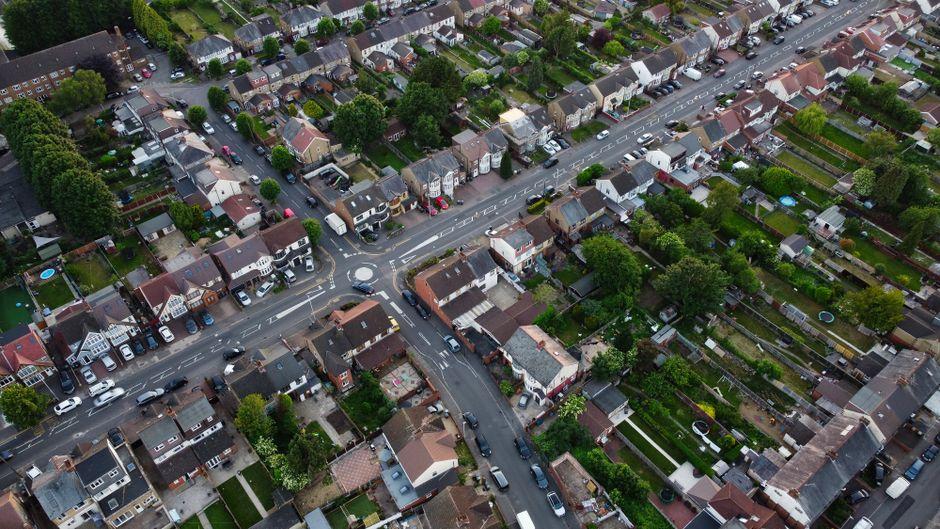
Milwaukee's median home sale price hit $242,000 in June 2026, according to figures compiled by the Greater Milwaukee Association of Realtors, a 9.4 percent jump from the same month last year and the steepest twelve-month gain the market has posted since the spring of 2021. That number is turning heads, and not always for the right reasons.
The comparison to 2021 matters because that cycle ended badly for buyers who overpaid by $40,000 or $50,000 on homes in neighborhoods like Riverwest and Walker's Point, only to watch appreciation stall through 2023 as mortgage rates climbed past seven percent. Anyone active in Milwaukee real estate right now is watching the same warning lights, multiple offers, waived inspections, asking prices treated as opening bids, and wondering whether history is about to repeat itself, or whether the underlying conditions are different enough to justify optimism.
What's Driving the Numbers
The short answer: supply is still the problem. The City of Milwaukee's Department of City Development logged just under 3,200 active residential listings across the metro in May 2026, compared to roughly 5,800 in May 2019. That gap has barely closed despite a modest uptick in new construction permits on the city's north side along the Sherman Park corridor. Developers have broken ground on 112 new units in the 30th Street Industrial Corridor redevelopment zone since January, but those projects won't deliver finished product until late 2027 at the earliest.
In the meantime, buyers are absorbing whatever comes to market. A three-bedroom bungalow on North Downer Avenue in Shorewood, technically a suburb but functionally part of the Milwaukee housing ecosystem, sold in May for $389,000, fourteen percent above list price, after eleven days on market. In Bay View, a two-flat on South Kinnickinnic Avenue that needed a new roof closed at $318,500, waived inspection included. Those are 2021 numbers in 2026 clothes.
The difference, and it is a real difference, is who is buying. In 2021, rock-bottom interest rates pulled in a large cohort of speculative buyers and out-of-state investors who treated Milwaukee like an arbitrage play against overheated Chicago and Minneapolis markets. The Wisconsin Housing and Economic Development Authority reported a 34 percent increase in investor-entity purchases in Milwaukee County between January and September 2021. That figure is running closer to 18 percent so far in 2026. The buyers pushing prices up today are primarily owner-occupants, many of them first-timers using WHEDA's Advantage Conventional loan program, which raised its income limits in March 2026 to capture more middle-income households.
Neighborhood by Neighborhood, the Picture Gets Complicated
Not every zip code is running hot. The market in Metcalfe Park and Lindsay Heights on the city's northwest side remains sluggish by comparison, with average days-on-market sitting above 40, nearly double the 22-day average for the metro as a whole. Realtors working with the Milwaukee Community Land Trust say demand in those neighborhoods is constrained less by buyer interest than by appraisal gaps, a structural problem that plagued the same areas during the 2021 boom and has not been resolved.
Downtown condo inventory is another outlier. The Third Ward and Westown both show asking-price softness on units above $400,000, a segment that overbuilt during 2021 and 2022 and is still digesting that supply. The Cathedral Place development on East Wells Street, which delivered 88 units in late 2023, still has fourteen unsold condos on the market as of this week.
For buyers trying to make a decision right now, the practical read is this: the single-family market under $300,000 is as competitive as anything Milwaukee has seen since mid-2021, and waiting for a correction is a bet against the math. Inventory relief is at least eighteen months away. But buyers above the $400,000 threshold in attached housing have real negotiating leverage for the first time in years, and they should use it. Get the inspection. The market in 2021 punished the people who didn't.
This article is general information only and is not personal financial or investment advice. Consider your own circumstances and seek licensed professional advice before making financial decisions.