Politics
Milwaukee City Council Adopts Inclusionary Zoning Ordinance, Aligning Requirements With Those in Minneapolis and Chicago
The July 7 vote sets a 15 percent affordable housing mandate for projects with 20 or more units, directly shaping rental and ownership costs for households in neighborhoods such as Bay View and Lindsay Heights.
How we reported this
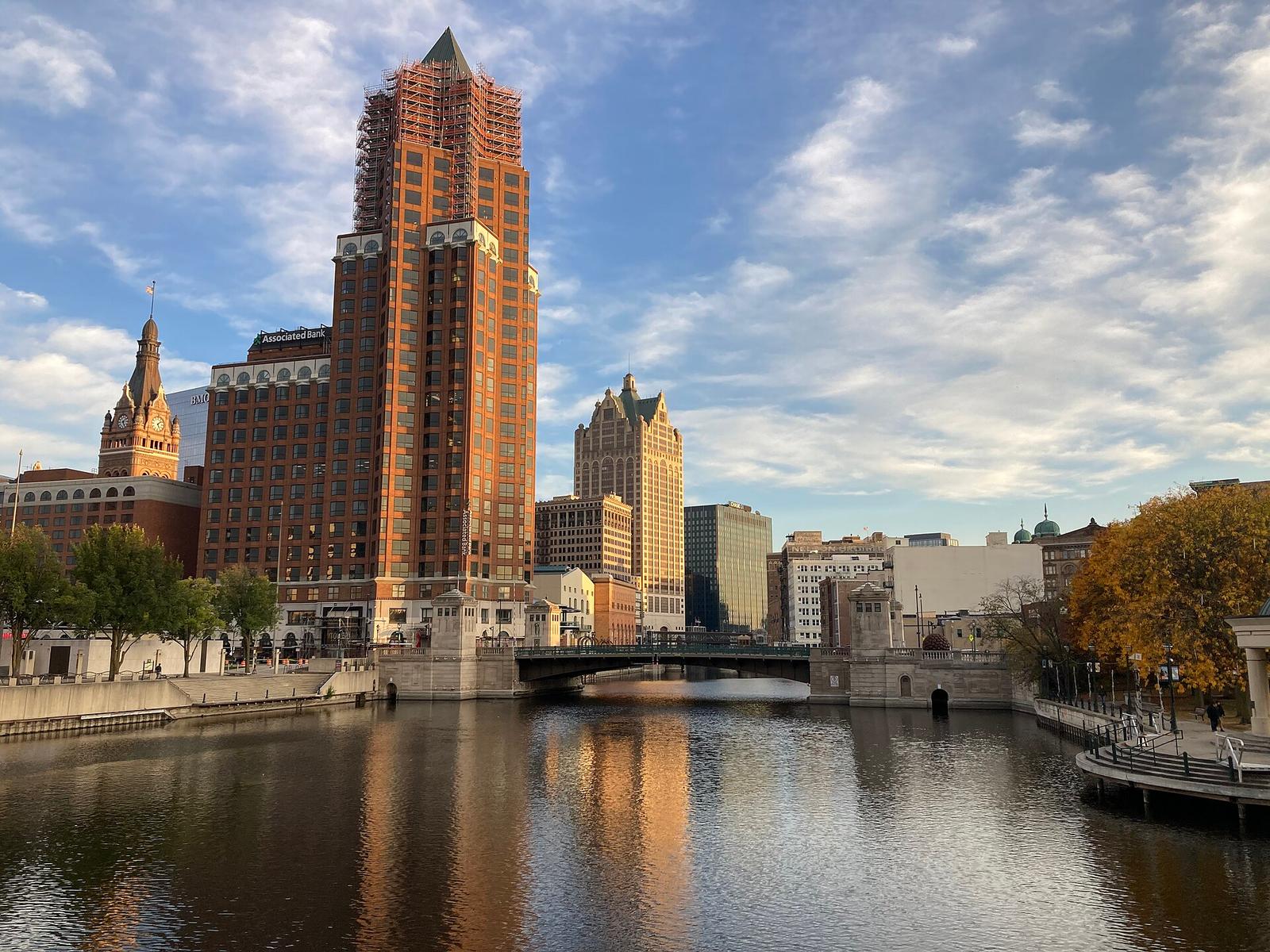
Milwaukee Common Council members approved an inclusionary zoning ordinance on July 7 that requires developers to set aside 15 percent of units as affordable in any new residential project containing 20 or more dwellings. The measure applies to projects seeking city permits or subsidies and covers both rental and for-sale housing. It takes effect for applications filed after September 1.
Why the ordinance reached the floor now
The vote followed a May report from the city's Department of City Development that documented a shortfall of 12,400 units priced below 60 percent of area median income. Council members cited rising permit applications along the Milwaukee River corridor and in the 5th and 14th aldermanic districts as immediate pressure points. The ordinance mirrors rules already operating in Minneapolis since 2019 and Chicago since 2021, where similar percentages have produced several thousand income-restricted units according to those cities' housing department records.
Local residents will see the change first in new apartment buildings planned near the 27th Street corridor and in the Historic Third Ward. A household earning $45,000 annually could qualify for a two-bedroom unit capped at $1,050 monthly rent instead of market rates that currently average $1,650 in those zip codes. Construction workers employed by firms bidding on these projects must also meet city wage standards tied to the same ordinance.
Budget allocation and next steps
The legislation directs $1.8 million from the 2026 housing trust fund to cover administrative costs and to subsidize deeper affordability in the first 18 months. City staff will issue detailed guidelines by August 15 and begin training sessions for developers and neighborhood groups in September. Projects already under review before the September cutoff remain exempt, while later filings must submit compliance plans with each permit application.
Enforcement will rest with the Department of City Development, which will track unit occupancy through annual reporting. Failure to meet the 15 percent target can result in permit revocation or fines equal to the cost of providing the missing units at prevailing subsidy rates. The first compliance reports are scheduled for release in the second quarter of 2027.