Politics
Wisconsin Bill Tracker: Four State Bills Moving Through Madison Could Reshape Milwaukee Housing, Transit and Public Health Spending
Community advocates and policy analysts say residents in Milwaukee's lowest-income neighborhoods stand to gain or lose the most depending on how the Legislature acts before its summer recess.
How we reported this
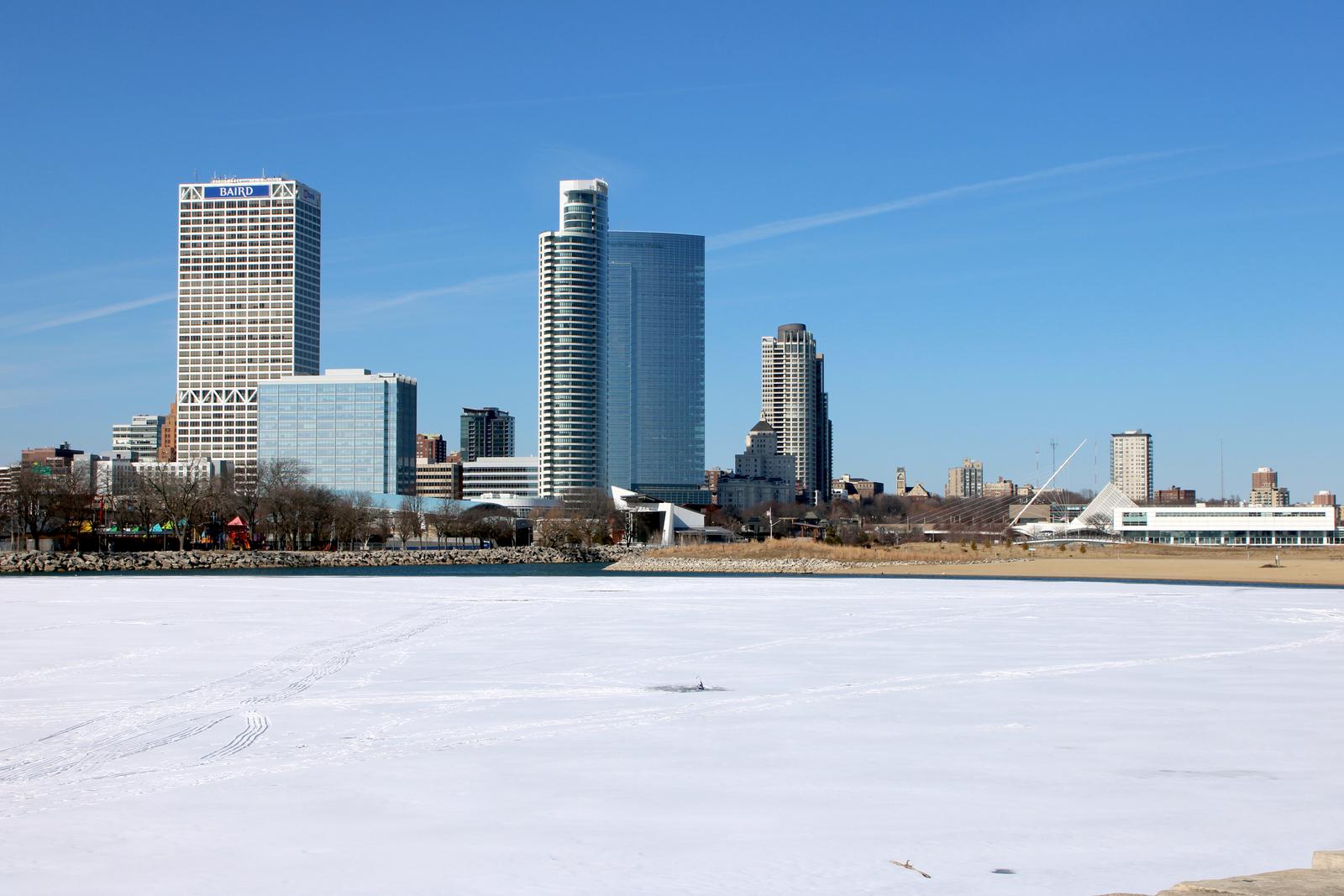
Four bills advancing through the Wisconsin State Legislature this session carry direct financial and service consequences for Milwaukee residents, touching rental assistance, bus route funding, public health staffing and municipal broadband access. The measures are at varying stages of committee review as of early July 2026, and local housing advocates, transit planners and public health researchers have begun pressing lawmakers for action before the Legislature's scheduled summer break later this month.
The timing matters. Milwaukee County's 2026 budget absorbed a roughly $18 million shortfall after federal pandemic-era aid expired, according to county budget documents released in November 2025. That gap left city and county departments with less room to absorb cuts or delays in state funding streams. Policy analysts who track Wisconsin fiscal policy note that the Legislature's decisions on these four bills will land on top of an already strained local balance sheet, not alongside a period of relative stability.
What Each Bill Would Do for Milwaukee Residents
Assembly Bill 247, which cleared the Assembly Committee on Housing in late June, would extend the state's Emergency Rental Assistance Program by two years and increase the income eligibility ceiling from 80 percent to 100 percent of area median income. For Milwaukee, where the U.S. Department of Housing and Urban Development set the 2025 area median income for a family of four at roughly $83,000, that change would make thousands of additional renter households eligible. Local housing advocates note that the city's eviction filing rate in 2025 ran higher than the state average, based on data compiled by the Eviction Lab at Princeton University, making the extension particularly consequential here. Senate Bill 301, a companion measure, remains in committee without a hearing date.
A separate bill, Assembly Bill 312, would redirect a portion of the state's transportation fund to support operating costs for regional transit authorities. Milwaukee County Transit System, which serves approximately 30 million passenger trips annually according to its most recent system report, has faced recurring budget pressure as federal formula grants have not kept pace with fuel and labor costs. Transit planners say the bill, if passed, is expected to prevent a proposed reduction of service on at least six routes serving the near north side and south side corridors. Without the funding, the Milwaukee County Transit System has indicated it would need to cut approximately $6.2 million in operating expenses in the next fiscal year.
Public Health Staffing and the Broadband Question
Senate Bill 198 would establish a state grant program for local health departments to hire disease surveillance staff, with Milwaukee Health Department designated as a priority recipient given its population size. The Milwaukee Health Department currently operates with fewer epidemiologists per capita than the state benchmark outlined in the Wisconsin Department of Health Services' 2023 workforce assessment. Local public health researchers say the bill is projected to fund up to four new positions in Milwaukee, which would strengthen the city's capacity to monitor and respond to communicable disease outbreaks, an issue that gained renewed attention following the city's mpox response in 2022 and 2023.
The fourth measure, Assembly Bill 389, would allow municipalities to operate broadband networks as a public utility, reversing a long-standing state prohibition. Community technology advocates in Milwaukee, particularly those working in zip codes on the north and northwest sides where broadband subscription rates fall well below the citywide average, say the bill would open a legal pathway for the city to pursue its own infrastructure investment. The bill passed its committee on a party-line vote and now awaits a full Assembly floor vote; its Senate companion has not yet been scheduled for a hearing.
The Legislature is expected to hold floor sessions on July 14 and July 15 before recessing. Advocates plan to bring Milwaukee residents to the State Capitol on July 9 for a lobby day organized through a coalition of housing, transit and health organizations. Whether all four bills reach Governor Tony Evers' desk before recess is uncertain, though supporters of each measure say they are continuing to press for floor votes this month.