Politics
Milwaukee Candidates Court Voters on Community Services as August Primary Nears
With the August 11 Wisconsin primary five weeks out, candidates for city and county offices are staking out specific positions on social services, housing support, and public health spending that will directly shape what residents can access over the next two years.
How we reported this
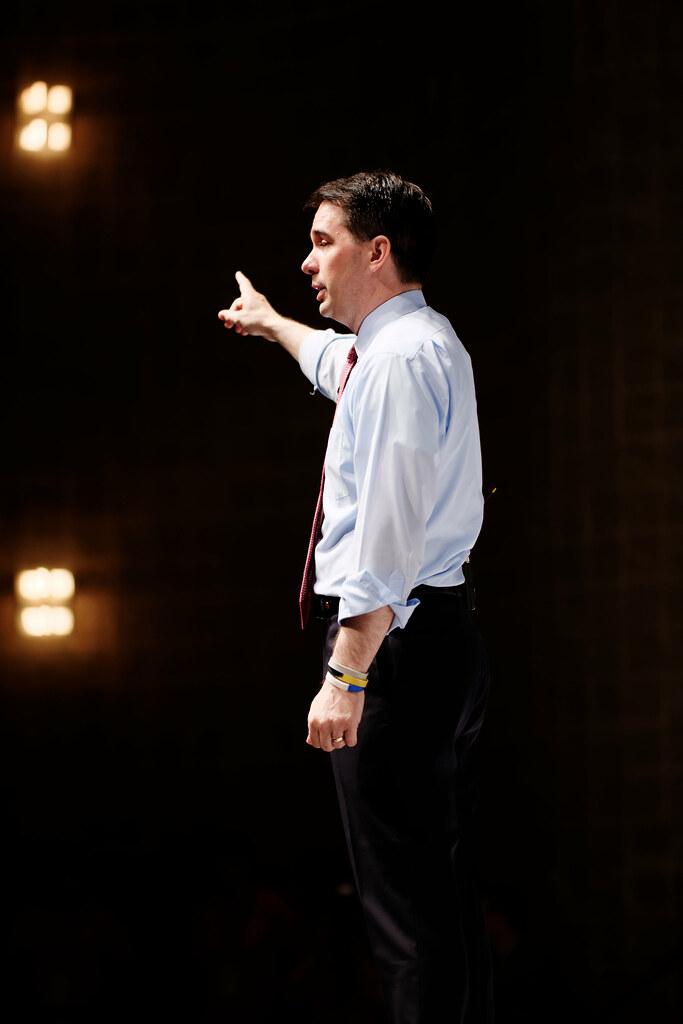
Five candidates are competing for three Milwaukee County Board seats in the August 11 primary, and the central dividing line among them is not party affiliation but spending priority: how much of the county's roughly $1.7 billion annual budget should flow toward direct community services such as behavioral health, emergency rental assistance, and senior meal programs. The outcomes will determine who controls key budget committees heading into the 2027 fiscal cycle, when federal pandemic-era relief funds are fully exhausted and county administrators face a projected structural deficit of approximately $40 million.
The timing matters. Milwaukee County's Department of Health and Human Services administers dozens of programs that roughly 130,000 residents interact with each year, according to county budget documents. Emergency Rental Assistance funding from the federal American Rescue Plan Act largely ran out in late 2025, and the county is still deciding what, if anything, fills that gap locally. Candidates who win in August will vote on that question as part of the 2027 budget process starting in September.
What Candidates Are Saying on Services
Across candidate forums held in June at community spaces including the Esperanza Unida offices on West National Avenue and the Near North Side branch of the Milwaukee Public Library, a consistent cluster of issues emerged: mental health crisis response, the transit-dependent elderly population, and whether the county should expand or consolidate its social worker staffing. Local advocates who attended those forums note the conversation has been unusually specific this cycle, with candidates citing line items rather than broad themes.
Several candidates have pointed to the county's Crisis Mobile Team, which dispatched more than 4,200 alternative response calls in 2024 without police involvement, as a model they want to fund at a higher level. Others have argued that the Behavioral Health Division's existing infrastructure needs capital investment before headcount grows. One candidate running in the 9th District, which covers portions of the Menomonee Valley and Clarke Square neighborhoods, has proposed redirecting a portion of deferred maintenance funds toward front-line caseworker salaries, though policy analysts note that approach would require state sign-off on certain revenue classifications.
Residents and the Numbers Behind the Race
For Milwaukee residents who rely on county-administered services, the stakes are tangible. The county's Aging and Disability Resource Center served approximately 28,000 individuals in fiscal year 2024, providing everything from home-delivered meals to caregiver support and benefits counseling. Those programs are funded through a combination of state Title XX social services dollars, federal Older Americans Act appropriations, and a county levy contribution that the board sets each fall. A shift of even two or three seats on the 18-member board can move the levy calculation by several million dollars in either direction.
Housing instability is the other recurring theme. Milwaukee's eviction filing rate remained among the highest of any comparable Midwestern city through the first quarter of 2026, according to data tracked by the Princeton Eviction Lab. The county's short-term rental assistance reserve, funded at $3.2 million in the current budget, has a waitlist that local housing counselors describe as consistently running two to three months long. Candidates in multiple districts have been asked at forums whether they would support a dedicated levy line for that fund, rather than relying on annual discretionary allocations.
Early voting for the August 11 primary opens July 21 at the Milwaukee Election Commission office on West Wells Street and at satellite locations across the city. Voters can check their district assignment and polling location through the MyVote Wisconsin portal maintained by the Wisconsin Elections Commission. Candidate finance reports covering contributions through June 30 are due to the Milwaukee County Ethics Board by July 15, and those filings will offer the first full picture of which races have drawn significant outside spending.